
When you plan to enter the organic fertilizer market, building a complete production project involves more than selecting several machines. You need to connect raw material handling, fermentation, crushing, mixing, granulation, drying, screening and packaging into one practical production route.
A well-planned project starts with understanding your raw materials, target capacity and final fertilizer products. This helps you create a production line that matches your commercial goals.
Start With the Right Raw Material and Production Route
Different organic materials create different processing requirements. Animal manure, compost and agricultural waste may have different moisture levels, fiber content and handling characteristics.
For example, a cattle manure fertilizer production line can be designed around mature composted manure, while other projects may focus on poultry waste or mixed organic materials. The material condition influences crushing, mixing and granulation choices throughout the process.
Before building your project, you can evaluate your available raw materials, expected output and local market demand.
Commercial Cow Waste Management Solution
How Does Equipment Selection Affect the Complete Project?
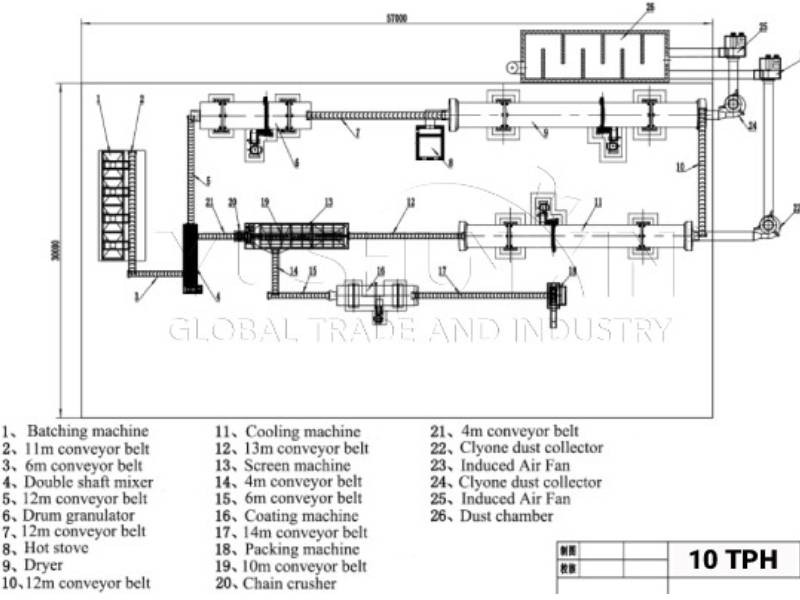
A commercial fertilizer project usually includes several connected sections rather than one independent machine. Each stage affects the efficiency and stability of the whole system.
The role of an experienced organic fertilizer production line manufacturer is to help you match equipment with your actual production conditions. The configuration may include fermentation equipment, crushers, mixers, granulators, dryers, screening machines and packing systems.
A suitable layout allows materials to move smoothly between each stage and reduces unnecessary handling during operation.
How Do You Choose the Right Granulation and Drying Process?
Your final product form influences the production design. Some customers prefer powder fertilizer, while others focus on uniform granules for storage, transportation and commercial sales.
A poultry manure fertilizer production line may include granulation and drying sections to transform processed organic materials into stable fertilizer products.
The drying stage also plays an important role in moisture control. A suitable organic fertilizer dryer machine helps prepare granules for screening, coating or packaging according to your product requirements.
What Makes a Turnkey Solution More Practical?
A turnkey project focuses on the connection between every production section. Instead of considering each machine separately, you can look at the entire process from raw material input to finished fertilizer output.
For commercial production, factors such as production capacity, workshop space, energy supply and future expansion plans all influence the final design.
When discussing your project with an equipment provider, detailed information about materials, capacity and product targets helps create a more suitable solution.
How Can You Prepare for a Commercial Organic Fertilizer Project?
Before requesting a complete proposal, you can prepare information about your raw materials, daily output, fertilizer type, available land and packaging requirements.
A professional configuration can then be developed around your actual situation. A complete organic fertilizer granulator production line can become one part of a larger production system designed for continuous commercial operation.
If you want to learn more about equipment configuration, process design and turnkey solutions, Click here for more details.
You can also review complete organic fertilizer production solutions here: https://www.shunxin.eu/organic-fertilizer-production-line/